
Hysterectomy
A hysterectomy is a surgical procedure to remove the uterus. It may be recommended to treat fibroids, heavy bleeding, endometriosis, or other gynaecological conditions. After a hysterectomy, you will no longer have periods or be able to become pregnant.
Most hysterectomy operations are now performed as key-hole procedures.
Women over the age of 40 with completed family may choose to have a hysterectomy. This is obviously a 100% solution with guaranteed relief of symptoms and no risk of recurrence.
Most hysterectomy operations are now performed as key-hole procedures. If uterus is enlarged below the level of umbilicus, laparoscopic hysterectomy may be possible. Open hysterectomy operations are almost always performed through a bikini-line incision unless the fibroids are too large or there are other factors.
Removal of ovaries or cervix is always optional! Typically, removal of ovaries is recommended in women over the age of 50yrs as the ovarian function is declining and there is a 1 in 70 risk of developing ovarian cancer in the future. Removal of cervix will mean no more smears which is attractive to many women.
Infection, bleeding, injury to surrounding organs and thromboembolism (blood clot in legs or chest) are associated with this procedure. An injection of intravenous antibiotics is given at the beginning of the procedure and aseptic precautions are followed to minimise risk of infection. Bleeding is usually minimal and with careful technique this risk is reduced. Risk of injury to surrounding organs is minimal especially if you haven’t had any operations before.
Thromboembolism (blood clot) is a risk due to reduced mobility and pelvic lump (fibroids) slowing down pelvic circulation. Special stockings are used along with calf-pumps to keep circulation active. Special blood thinning injections are given to reduce this risk further. Adhesions (scar-tissue) formation is also a risk and meticulous control of bleeding and minimal tissue handling is essential.
Recovery after laparoscopic hysterectomy is very quick. Hospital stay is 24 hours and most women are back to normal activity levels after 2 to 4 weeks. Open hysterectomy is associated with longer hospital stay (3-5 days) and return to normal activity levels takes 4 to 6 weeks.
Pricing
Includes hospital, surgical, anaesthetist and histology fees and post-procedure follow-up consultation.



How can London Gynaecology help you?
Search based on phrases or ask a specific question about your health.
Our Premium Clinic Locations
Discover our network of specialised gynaecology clinics across the UK, offering exceptional care in elegant, comfortable environments.
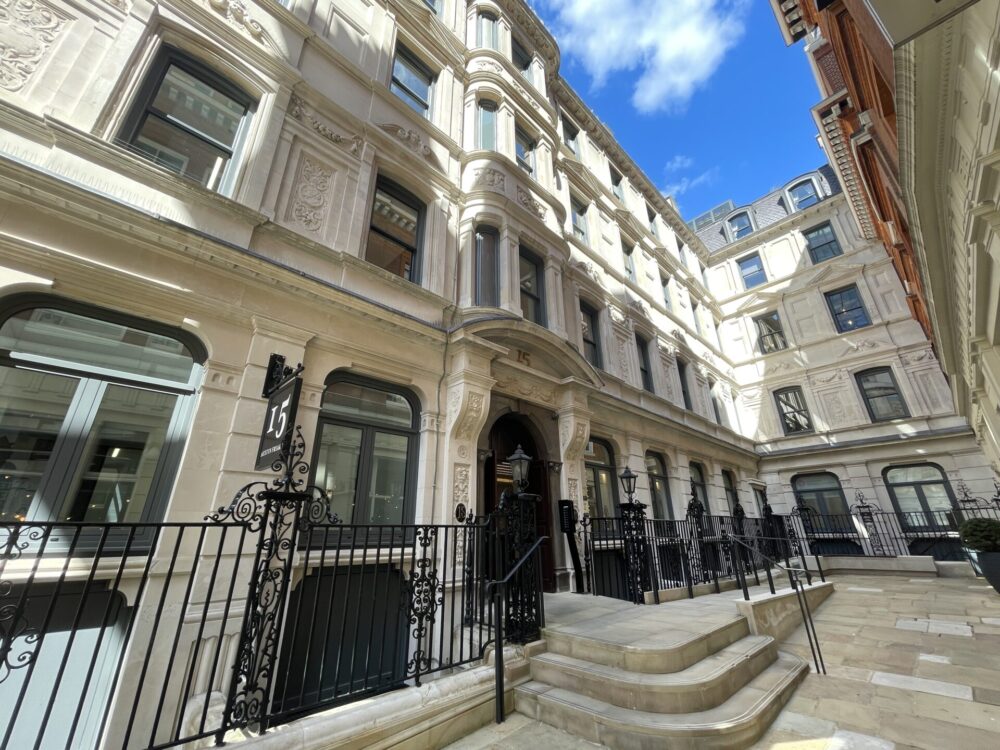
Moorgate Clinic
Ground Floor, 15 Austin Friars, London, EC2N 2HE
London Gynaecology in the City of London offers expert women’s healthcare, same-day appointments, and advanced diagnostics in...

Harley Street
145 Harley Street, W1G 6BJ, London
London Gynaecology at Harley Street provides world-class private women’s healthcare, fertility support, and advanced gynaecology services in...
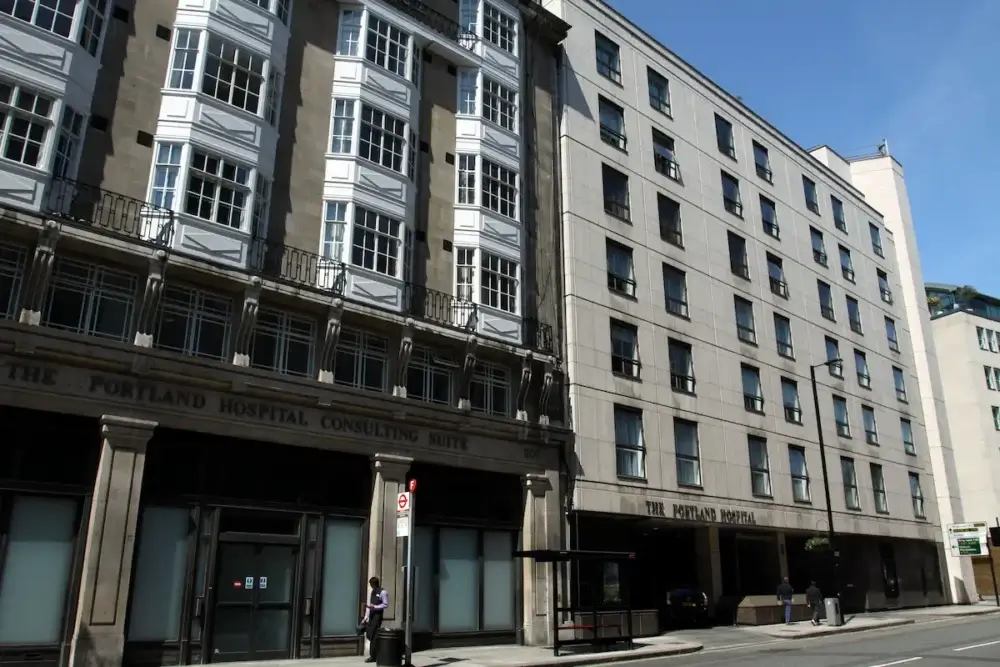
The Portland Hospital
212 Great Portland St, London, W1W 5QN
London Gynaecology at The Portland Hospital offers comprehensive private women’s healthcare, surgery, expert consultations, and specialist treatments...

Richmond
Ground Floor, 26 Paradise Rd, Richmond TW9 1SE
Welcome to London Gynaecology at Richmond. Our newest addition to our family of clinics.