
Mammogram
A mammogram is a specialised X-ray scan of the breast that helps detect early signs of breast abnormalities, including breast cancer. It can pick up changes in breast tissue before they become noticeable, often years before a lump can be felt.
Mammograms are the most effective screening tool for early breast cancer detection. A regular mammogram can be an excellent way to give you ongoing peace of mind about your breast health.
In the UK, the NHS invites women aged 50 to 70 for a routine screening mammogram every three years.
You may be offered earlier or more frequent screening if you:
- Have a strong family history of breast or ovarian cancer
- Carry certain genetic markers (e.g. BRCA1 or BRCA2)
- Have previously had breast cancer or high-risk breast changes
At London Gynaecology, we offer private mammography to women outside the standard NHS screening age range or those seeking additional reassurance.
A mammogram is a quick and simple outpatient procedure that usually takes 15 to 20 minutes.
During the scan:
- Each breast is placed between two plates and gently compressed to get a clear image.
- Compression may feel uncomfortable for a few seconds, but it is not harmful.
- You can return to normal activities immediately after.
All scans are performed by trained Breast Radiographers and Breast Specialists in a calm, professional environment. You may request a female clinician also. We’re here to prioritise your health and comfort.
Yes. Mammograms use very low doses of radiation and are considered safe. The small amount of exposure is generally far outweighed by the benefit of early detection.
If you are pregnant or think you might be, always inform your doctor or radiographer before the procedure.
Some women find the breast compression part uncomfortable or mildly painful, but it only lasts a few seconds. The pressure is necessary to get clear images.
Mammograms are generally avoided during pregnancy unless absolutely necessary.
While breastfeeding, images can become harder to read, so it is better to adjust the timing of your next scan until after you have stopped breastfeeding.
If your mammogram shows any unusual findings, don’t panic. Many changes turn out to be benign (non-cancerous).
Depending on the result, you may be called back for:
- Additional mammogram images
- An ultrasound scan (a radiation-free soundwave scan)
- A breast biopsy (a tiny sample may be taken if needed)
Our expert Breast Specialist team will support you through each step with clear communication and prompt follow-up.
You should speak to a doctor promptly if you notice:
- A new lump or thickening in the breast or underarm
- Nipple changes, including inversion, discharge, or rash
- Changes in the skin texture (e.g. dimpling)
- Persistent breast pain or swelling
You should not wait for a routine NHS screening invitation - early assessment is key.



How can London Gynaecology help you?
Search based on phrases or ask a specific question about your health.
Our Premium Clinic Locations
Discover our network of specialised gynaecology clinics across the UK, offering exceptional care in elegant, comfortable environments.
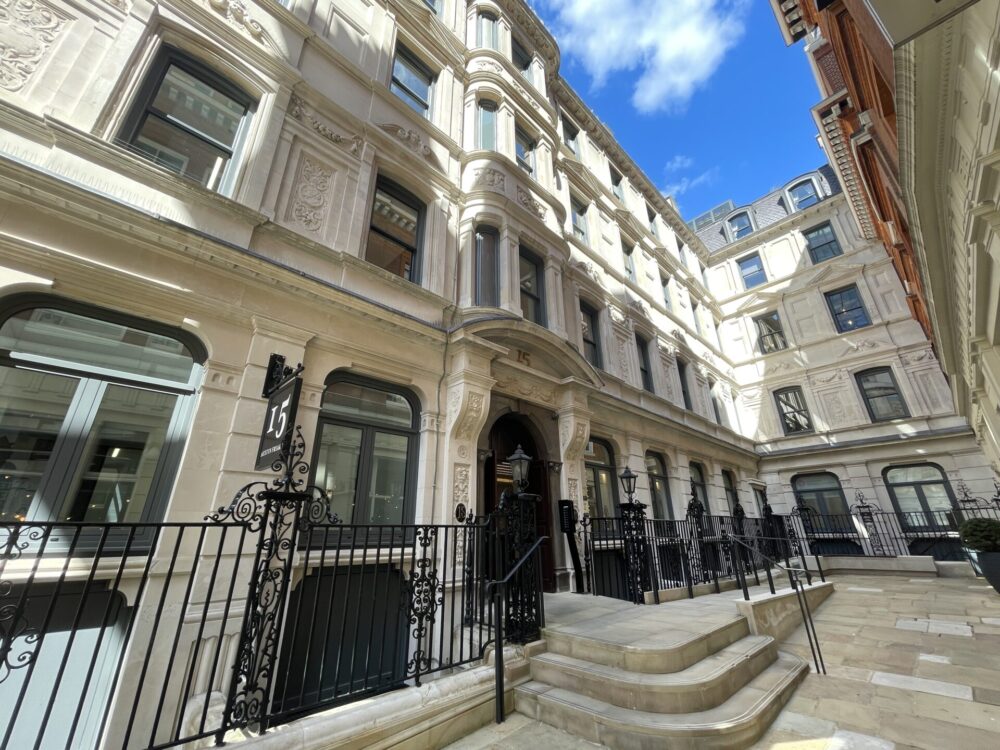
Moorgate Clinic
Ground Floor, 15 Austin Friars, London, EC2N 2HE
London Gynaecology in the City of London offers expert women’s healthcare, same-day appointments, and advanced diagnostics in...
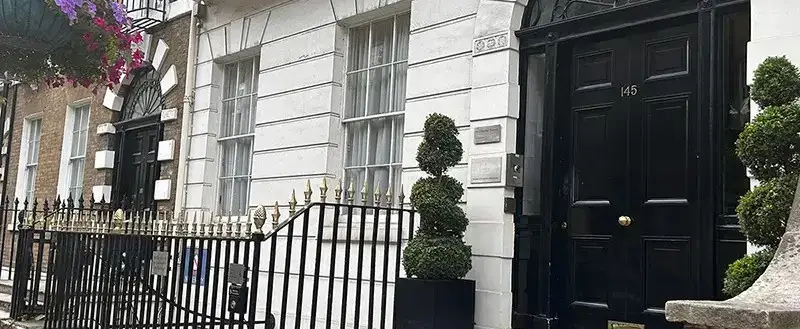
Harley Street
145 Harley Street, W1G 6BJ, London
London Gynaecology at Harley Street provides world-class private women’s healthcare, fertility support, and advanced gynaecology services in...
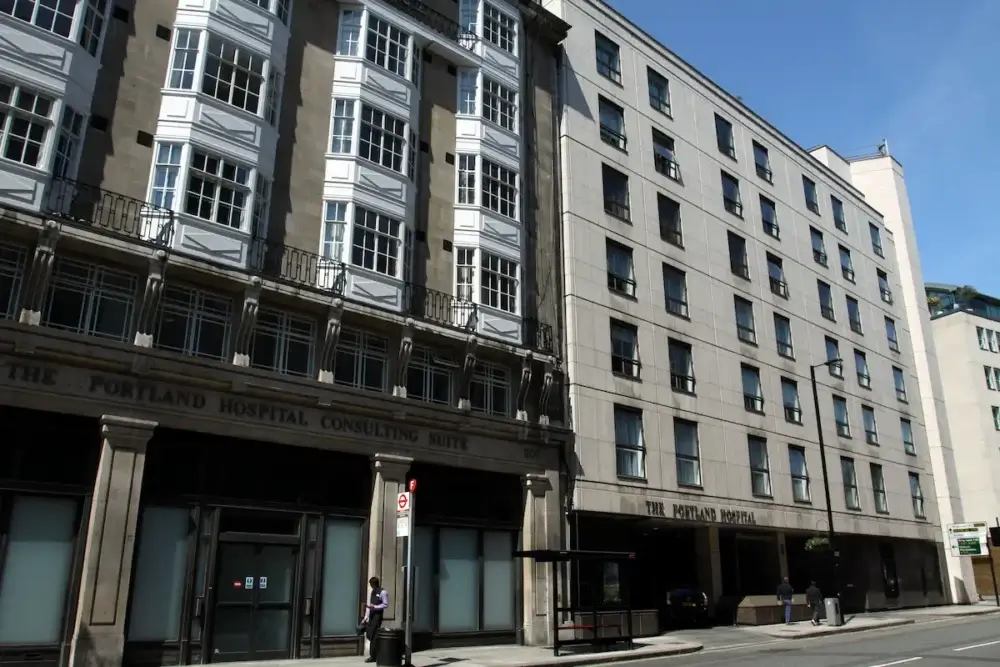
The Portland Hospital
212 Great Portland St, London, W1W 5QN
London Gynaecology at The Portland Hospital offers comprehensive private women’s healthcare, surgery, expert consultations, and specialist treatments...

Richmond
Ground Floor, 26 Paradise Rd, Richmond TW9 1SE
Welcome to London Gynaecology at Richmond. Our newest addition to our family of clinics.