
LLETZ
Each year, London Gynaecology supports hundreds of women through the management of abnormal cervical smear results. While many cases do not require treatment and resolve with monitoring, some patients with higher-grade abnormalities may need a procedure known as LLETZ (Large Loop Excision of the Transformation Zone). This treatment is used to safely remove abnormal cells from the cervix and prevent them from developing into more serious conditions.
In the information below, we aim to answer the most common questions our patients have about LLETZ, helping you to feel informed and reassured every step of the way.
This procedure is performed for treatment of CIN2&3 and persistent CIN1.
As an experience, this treatment is very similar to the colposcopy procedure or smear test. It takes approximately 10 minutes. After numbing the cervix with local anaesthetic, a wire loop is used to remove the abnormal cells. It is a quick and easy procedure and there is some discomfort, but no sharp pain. A nurse will be present during the procedure to assist you and the doctor. The specimen is sent for histological analysis to confirm the grade of abnormal cells and whether they were completely excised. This report is usually available within 10-14 days.
LLETZ is commonly carried out as an office (outpatient clinic) procedure under local anaesthesia. Local anaesthesia is administered by using a dental syringe directly into the cervix. The cervix does not have many nerve endings and usually there is no pain during administration of local anaesthesia. The anaesthetic drug also contains adrenaline and you may experience palpitations or shakes or some dizziness as a result. Occasionally, general anaesthesia or sedation may be required. This procedure is then carried out as a day case procedure, where you will go home usually on the same day.
If you are having it done under local anaesthesia, you will go home straight after the procedure.
Please do…
- Eat something before the procedure, there is no need to be starved.
- Bring somebody with you if possible.
- Take the day off work, you are usually able to go back to work the next day.
- Ask the doctor any questions that you may have before the procedure.
- Use of tampons
- Penetrative sexual intercourse
- Strenuous exercise
- Travel abroad
The purpose is to avoid risk of infection while the cervix is healing. Strenuous exercise can sometimes cause the scab on the healing cervix to come off and start bleeding. Travel to remote destinations may mean unavailability of a qualified colposcopist should there be any problem and hence should be avoided. These restrictions apply for four weeks after treatment.
- Bleeding: There is usually some bleeding which is less than a light period and lasts for up to seven days. Occasionally, it may last up to four weeks.
- Discharge: You may get some brown-black discharge from the healing cervix.
- Heavy bleeding: This is uncommon and please contact your doctor if the bleeding is heavier than a heavy period and lasts for over two hours.
- Discomfort: There may be some period-like discomfort and, if present, can be easily addressed by paracetamol or simple pain-killers.
- Next period: May be slightly unpredictable and heavier.
Signs of infection:
- Heavy bleeding
- Offensive discharge
- Lower abdominal bleeding
- Feeling unwell or feverish
Your doctor may see you two weeks after the procedure to discuss the results and review your healing. A check-up in the form of smear, HPV-test and colposcopy is required in six months. If all these tests are negative, risk of recurrence is low. Follow-up after that will depend on your circumstances.
Short term risks:
- Bleeding
- Infection
- Recurrence of abnormality (5-8%)
- Repeat treatment (5%)
- Cervical stenosis (2%)
Long term (pregnancy related) risks:
- An increased risk of pre-term (early) delivery. This risk is 7% for all women and goes up to 11% after treatment (4% increase in the risk).
- Increased 4% risk of pre-term delivery is between 31and 37 weeks, and the baby is unlikely to come to any serious harm.
- There is no increase in the risk of extreme prematurity (delivery before 31 weeks)or of increase risk for the new-born baby. There is also a slightly greater likelihood of needing a caesarean delivery.
The LLETZ procedure is about 95% successful and 1 in 20 women need a repeat procedure. A histology report from treatment, your individual circumstances and results from six-months follow-up colposcopy.



How can London Gynaecology help you?
Search based on phrases or ask a specific question about your health.
Our Premium Clinic Locations
Discover our network of specialised gynaecology clinics across the UK, offering exceptional care in elegant, comfortable environments.
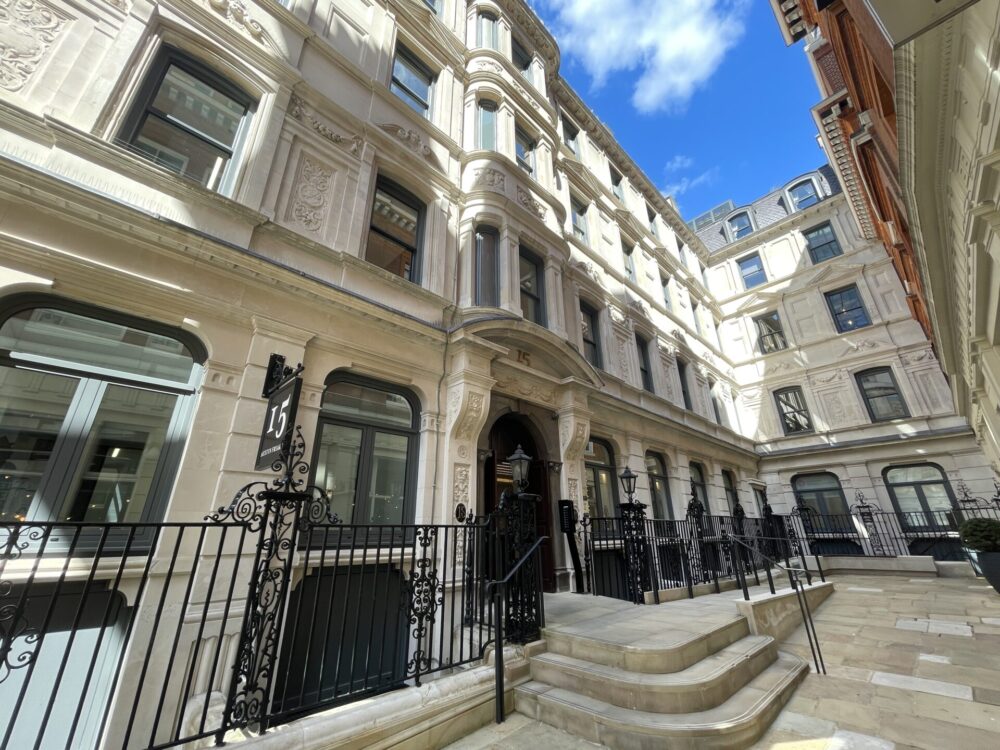
Moorgate Clinic
Ground Floor, 15 Austin Friars, London, EC2N 2HE
London Gynaecology in the City of London offers expert women’s healthcare, same-day appointments, and advanced diagnostics in...

Harley Street
145 Harley Street, W1G 6BJ, London
London Gynaecology at Harley Street provides world-class private women’s healthcare, fertility support, and advanced gynaecology services in...
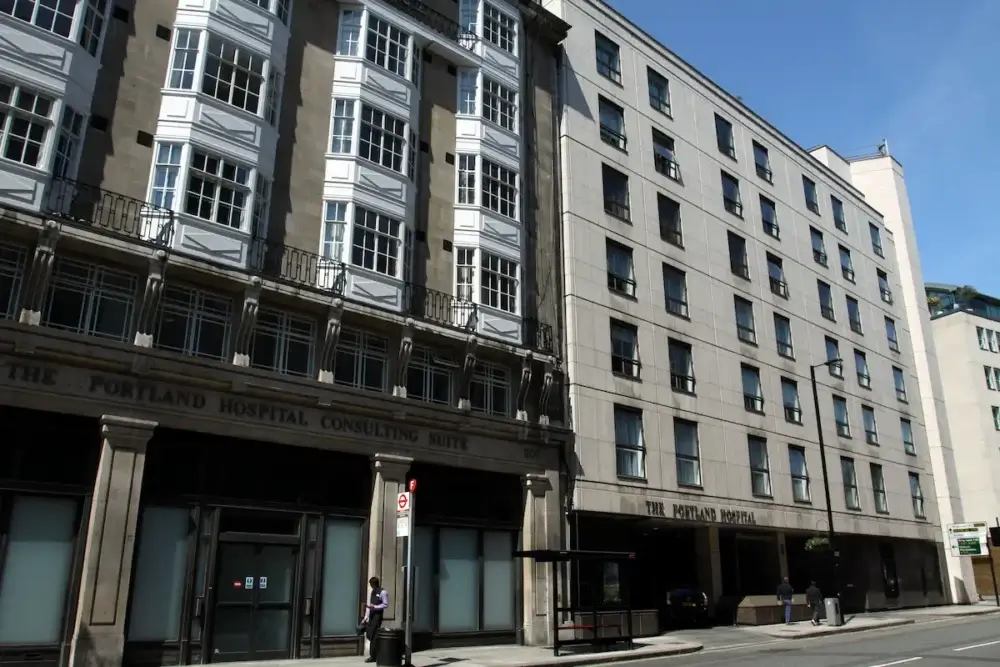
The Portland Hospital
212 Great Portland St, London, W1W 5QN
London Gynaecology at The Portland Hospital offers comprehensive private women’s healthcare, surgery, expert consultations, and specialist treatments...

Richmond
Ground Floor, 26 Paradise Rd, Richmond TW9 1SE
Welcome to London Gynaecology at Richmond. Our newest addition to our family of clinics.