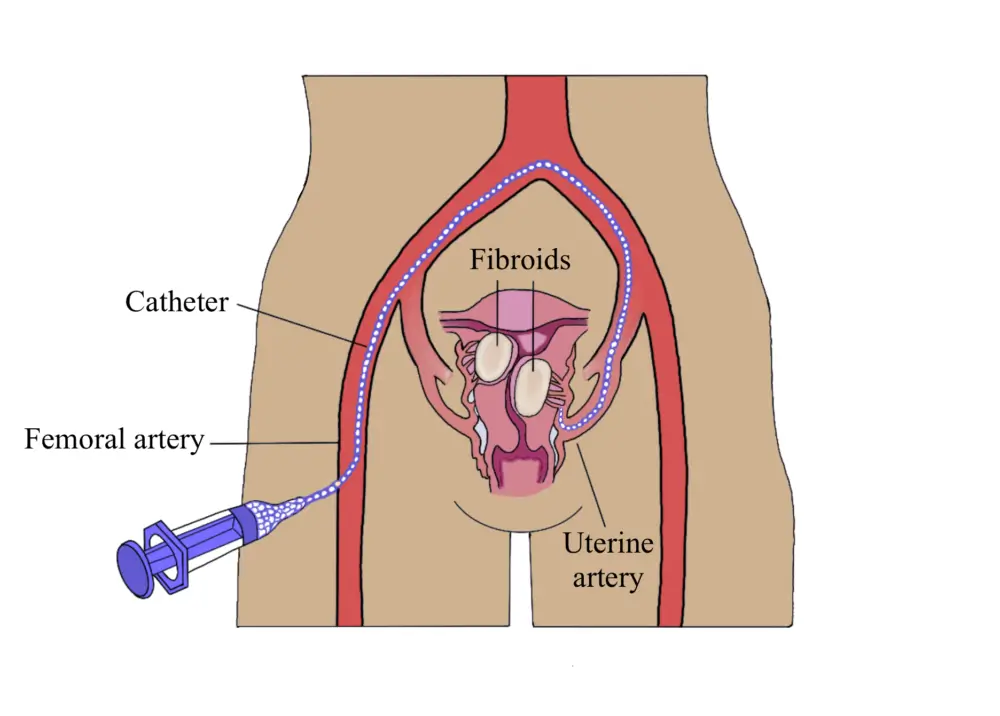
Robotics-Assisted Surgeries
At London Gynaecology, we offer advanced robotic-assisted gynaecology surgery, the next generation of minimally invasive treatment for women’s health conditions. Using the latest robotic surgical system, our consultants perform complex procedures with unmatched precision through tiny incisions, helping patients experience less pain, minimal scarring, and faster recovery.
Our robotic gynaecology specialists in London treat a full range of conditions, including fibroids, endometriosis, ovarian cysts, pelvic organ prolapse, and gynaecological cancers. Procedures such as robotic myomectomy, robotic hysterectomy, and robotic endometriosis excision allow for accurate, nerve-sparing surgery and quicker return to daily life.
London Gynaecology, robotics services
Whether managing benign gynaecological conditions, complex pelvic disease, or early-stage cancer, our robotic surgery service provides women with access to world-class, precise, and patient-centred care right here at London Gynaecology.
Robotic gynaecology surgery uses advanced robotic systems, such as the da Vinci Surgical System, to perform minimally invasive procedures. Surgeons control robotic arms equipped with tiny instruments and a high-definition 3D camera, allowing for enhanced precision and control during surgeries like myomectomy, hysterectomy, and endometriosis excision.
- Complex Fibroid Cases involving multiple or large fibroids
- Fibroids located deep within the muscle wall or on the outer surface of the uterus
- When fertility needs to be preserved for patients that wish to conceive or plan future pregnancies
- Patients not suitable for Laparoscopic surgery because or pre-existing issues
- Desire for minimally invasive surgery with faster recovery time
- Complex gynaecological history
The advantages include smaller incisions, reduced blood loss, less postoperative pain, shorter hospital stays, and quicker recovery times compared to traditional open surgeries. These benefits are particularly significant for procedures such as robotic myomectomy and robotic hysterectomy.
Robotic surgery can address a variety of gynaecological issues, including:
- Uterine fibroids (via robotic myomectomy)
- Endometriosis
- Ovarian cysts
- Pelvic organ prolapse (through robotic sacrocolpopexy)
- Heavy menstrual bleeding
- Gynaecological cancers (such as cervical, uterine, and ovarian cancers)
Most patients experience a shorter recovery period with robotic surgery. Many can return to normal activities within 1–2 weeks, depending on the specific procedure and individual health factors. Hospital stays are typically shorter, often requiring only an overnight stay.
In the UK, many private health insurance plans cover robotic-assisted gynaecology surgeries, as they are considered a form of minimally invasive surgery. However, coverage can vary, so it's advisable to check with your insurance provider to confirm specifics.
As with any surgery, there are potential risks, including infection, bleeding, and reactions to anesthesia. However, robotic surgery's precision often leads to fewer complications and quicker recovery times compared to traditional methods.
Eligibility depends on various factors, including the specific condition being treated, your overall health, and the complexity of the surgery. A consultation with a qualified gynaecological surgeon will help determine if robotic surgery is the right option for you.
- Attend pre-operative consultation with scans and blood tests
- Fast 6-8 hours before surgery (exact timings will be confirmed by your specialist)
- Patients on certain medications like blood thinners or iron supplements if anaemic would need to stop
- Bowel preparation may be advised
Book your consultation today
Book a consultation with one of our specialists to explore the best treatment options for you.
Robotics Surgery Options
Treatment depends on size, location and several other factors.
Robotic Subtotal/Total Hysterectomy
Purpose: Treat fibroids, heavy bleeding, adenomyosis, or early-stage cancer.
Benefit: Removes the uterus with precision; quicker recovery vs open surgery.
Robotic Ovarian Cystectomy or Omental Biopsy
Purpose: Remove ovarian cysts or perform omental biopsy for benign cysts, endometriomas, or risk reduction.
Benefit: Uses robotic instruments like a myomectomy for precise removal, minimal damage, and faster recovery.
Robotic Laparoscopic Myomectomy
Purpose: To remove uterine fibroids while preserving the uterus, often for symptom relief or fertility preservation.
Benefit: Offers precise removal of fibroids with less blood loss, reduced pain, and faster recovery.
Robotic Oophorectomy and Salpingectomy
Purpose: Safely remove one or both ovaries and/or fallopian tubes when medically necessary.
Benefit: Minimally invasive, with less pain, smaller scars, and quicker healing.
Robotic Endometriosis Excision
Purpose: Remove endometriosis tissue to relieve pain and improve fertility.
Benefit: Precision for complete excision of deep lesions, reducing recurrence and promoting faster recovery
Other Gynae Related Surgeries
Purpose: Our specialists will recommend the most suitable treatment options based on your condition.
Description: Related to gynaecological or urogynaecological care
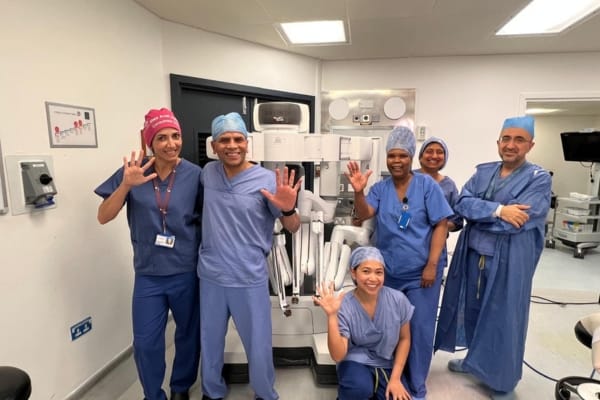
Meet the team
Our team of expert consultant gynaecologists, sonographers and interventional radiologist are highly experienced in diagnosing and treating fibroids. We’re here to support you at every stage of your journey.