
Bartholin’s Cysts
Bartholin’s glands are small pea sized glands at the entrance of the vagina, behind the lips (labia minora). Secretions of these glands provide some of the lubrication during sexual intercourse. A Bartholin’s cyst, also known as a Bartholin’s duct cyst, is formed when the duct of the Bartholin’s gland is blocked. In some cases, an infection can develop, and can become painful.
It is unclear why the duct of the gland gets blocked but it may be associated with vaginal infections. The infection may cause Bartholinitis (infection of Bartholin’s glands) and the secretions collect behind the blocked duct forming a cyst.
A small cyst usually does not cause any symptoms and may be diagnosed during routine vaginal examination or whilst having a smear test. A large cyst may be uncomfortable and you may feel pain around the vagina when walking or during intercourse. If the cyst is infected, an abscess (painful collection of pus) may develop in the gland. A red, painful swelling on one side of the vagina with fever is usually a sign of a Bartholin’s abscess.
Bartholin’s cysts are uncommon in children, as the Bartholin’s glands do not usually function until puberty and again after menopause, as the glands shrink in size. The cysts are common between the ages of 20 and 40 years in sexually active women. Previous history of a Bartholin’s cyst or abscess is also a risk factor.
Bartholin’s cysts are diagnosed on vaginal examination. If you have symptoms of an abscess, then you must seek advice from your GP or contact London Gynaecology.
Bartholin’s cysts that are painless do not require treatment. A large cyst may need treatment either by excision or by a procedure called ‘marsupalisation’. A Bartholin’s abscess can be treated with antibiotics (often successful if started early) but if resistant may require drainage of the pus and marsupalisation procedure. This is a minor surgical procedure carried out as a day case procedure under short general anaesthesia. Recurrence can be a problem even after appropriate treatment.
As we are not clear about the exact cause, it is difficult to suggest preventative measures. As these cysts may be associated with infection, practicing safe sex may reduce the risk.




How can London Gynaecology help you?
Search based on phrases or ask a specific question about your health.
Our Premium Clinic Locations
Discover our network of specialised gynaecology clinics across the UK, offering exceptional care in elegant, comfortable environments.
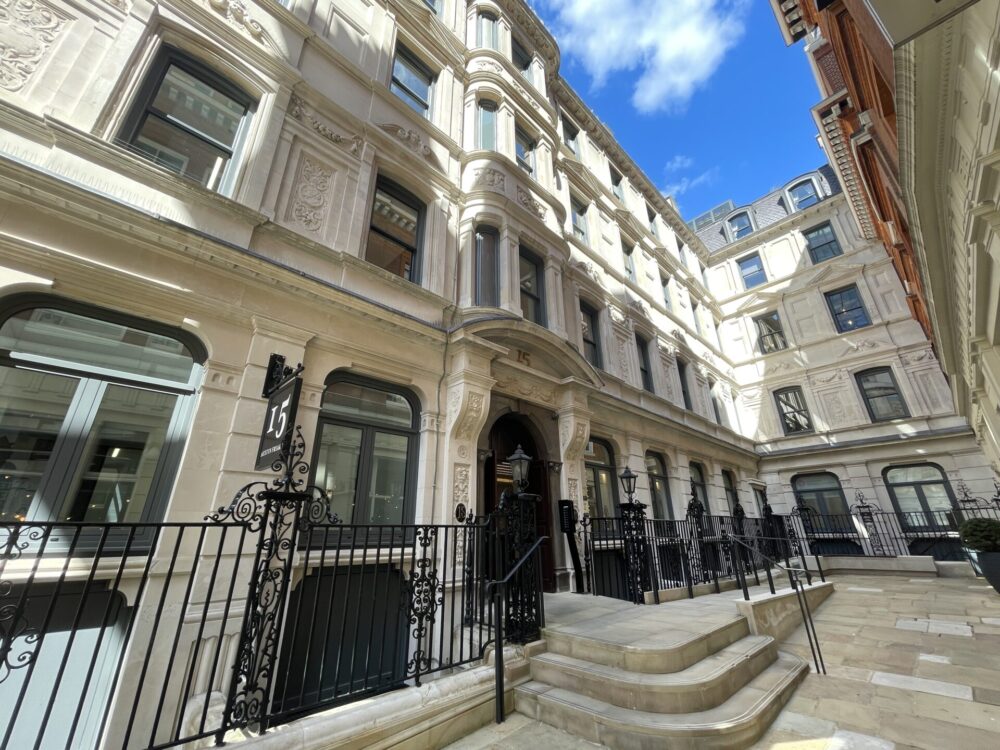
Moorgate Clinic
Ground Floor, 15 Austin Friars, London, EC2N 2HE
London Gynaecology in the City of London offers expert women’s healthcare, same-day appointments, and advanced diagnostics in...

Harley Street
145 Harley Street, W1G 6BJ, London
London Gynaecology at Harley Street provides world-class private women’s healthcare, fertility support, and advanced gynaecology services in...

The Portland Hospital
212 Great Portland St, London, W1W 5QN
London Gynaecology at The Portland Hospital offers comprehensive private women’s healthcare, surgery, expert consultations, and specialist treatments...

Richmond
Ground Floor, 26 Paradise Rd, Richmond TW9 1SE
Welcome to London Gynaecology at Richmond. Our newest addition to our family of clinics.