
Gynaecological Oncology FAQs
A colposcopy is often performed following an abnormal smear, for assessment of certain symptoms such as bleeding after sex OR persistent vaginal discharge OR if a GP is concerned about the appearance of the cervix. It allows the specialist to assess the cervix and grade any abnormalities if present.
The examination may show a normal cervix or low grade or high grade changes. The specialist will explain the findings. Depending on the clinical circumstances, women may or may not need treatment.
If women are diagnosed with cervical cancer, their specialist may recommend an examination under anaesthesia with a camera test to look into the urinary bladder (water bag) and the rectum (back passage). Special tests such as MRI scan and CT scan may be needed to diagnose the extent of the cancer.
More than half the cervical cancers diagnosed in the UK are very early (microinvasive or stage 1A) and are treated by local treatment by removing the cells. This treatment can be carried out either under local or a short general anaesthesia.
If the stage of cancer is stage 1B or more, more extensive surgery may be needed. This will depend on exact circumstances and other factors such as a desire for further fertility. If the cancer cells have gone outside the cervix, additional treatment with chemotherapy and radiation may be needed.
Known as womb cancer or cancer of the lining of the uterus. The lifetime risk of a getting endometrial cancer is 1 in 100 (1%) and peak incidence is after menopause in 50s and 60s, hence it’s important for women in the menopause to be aware of the signs and symptoms. High BMI, diabetes and blood pressure also increase the risk of this type of cancer.
Uterine walls are very muscular and it takes a long time for the cancerous cells to spread beyond the uterus. This cancer is commonly detected at an early stage and is often cured by a simple hysterectomy.
A simple hysterectomy which is often carried out as a key-hole procedure is often the only treatment needed. A key-hole hysterectomy is associated with tiny incisions, a short hospital stay and quick recovery.
After hysterectomy, the cancerous cells are further tested to see if there is spread beyond the inner half of the uterine wall. If this is a possibility, further treatment with radiotherapy may be offered to minimise chances of cancer cells coming back.
Ovarian cancer is known to progress quickly and hence early detection is important. The lifetime risk of getting ovarian cancer for women is around 1 in 50 (2%).
Family history of ovarian cancer in one first degree relative would be associated with doubling of the risk (1 in 25 or 4%). BRCA 1&2 genes are associated with high risk of ovarian cancer (more than 50%).
Ovarian cancer is notorious for causing very minimal symptoms in the early stages. Hence high index of suspicion and being aware of symptoms is important. Ovarian cancer commonly occurs after menopause (after 50 years of age) and symptoms can be non-specific such as:
- Abdominal distension and bloating
- New onset of pelvic pain
- Nausea and fullness
- Urinary frequency
- Loss of appetite and weight
- Lower abdominal lump
Please see your GP urgently if you are concerned and he/she will be able to arrange appropriate tests or referral on an urgent basis.
Vaginal cancer is the rarest of the gynaecological cancers and is diagnosed in 250-300 women a year in the UK, with over 70% of diagnoses in women over 60. Vaginal cancer is a skin cancer which is caused by a cell changing its growth pattern, causing it to increase in size each time it replicates. Human Papillomavirus (HPV) infection is one of the main causative factor.
Much like other gynaecological cancers, treatment depends on where the cancer is located and how far it has spread. Possible treatments include internal or external radiotherapy dependent on the location of the cancer, surgery, or chemotherapy.
Treatment usually is combination of radiotherapy and chemotherapy and rarely is surgery, dependant on stage and access to the tumour.
The vulva is a woman’s external genitalia and some vulval cancers develop from VIN (vulva intraepithelial neoplasia) which is a precancerous change and can be treated to reduce the risk of cancer.
Vulval cancer is one of the rare gynaecological cancers, with just over 1,000 cases diagnosed in the UK every year.
As with all gynaecological cancers, treatment will depend on a variety of factors such as the stage of the cancer. Although there are a variety of options, the main treatments include surgery, radiotherapy, and chemotherapy.
Surgical treatment varies depending on the stage of the cancer:
Stage 1, when cancer is limited to the skin of the vulva, surgery involves wide local excision of the tumour with at least a 2cm clear margin with or without removal of the lymph nodes in the groins.
Stage 2 and beyond, surgery may involve radical excision of the vulval skin with removal of the groin lymph glands. You may need reconstruction of the perineum with plastic surgery. Surgery is followed by radiotherapy to the pelvic area.
Radiotherapy involves treatment to the vulval skin and other areas such as the groin lymph glands where the cancer has/may spread. Treatment usually is carried out every day from Monday to Friday for 5 weeks. The treatment itself usually takes about 10-15 minutes. Side effects of radiotherapy involve diarrhoea, blood is stools or urine, increased frequency of passing urine, soreness whilst passing urine. Many of these side effects may continue to be bothersome for years following the treatment.
Chemotherpay is needed when the cancer has spread to distant organs beyond the pelvis. It involves adminstration of intravenous medications that kill cnacer cells. Treatment usually involves half a day in the hospital every 3-4 weeks for a total of 6 cycles. Side effects include feeling tired, feeling sick, loss of weight and appetite, loss of hair
Other related conditions and treatments
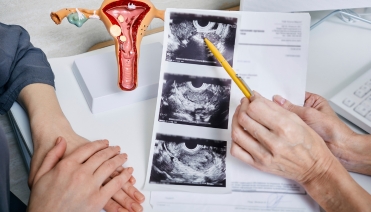
Gynaecological Cancers - the five types of gynaecological cancer

Vulval Cancer
The vulva is the external part of the female genitalia, and although vulval cancer is rare, it is important to recognise and treat it early. Some...
Vaginal Cancer
Vaginal cancer is the rarest of the gynaecological cancers and is diagnosed in 250-300 women a year in the UK, with over 70% of diagnoses in...
Ovarian Cancer
Ovarian cancer is a type of cancer that begins in the ovaries, the reproductive organs that produce eggs and hormones such as oestrogen and progesterone. It...
Endometrial Cancer
Known as womb cancer or cancer of the lining of the uterus. The lifetime risk of a getting endometrial cancer is 1 in 100 (1%) and...
Cervical Cancer
Cervical cancer arises from the cervix, the lower part of the uterus connecting to the vagina. In the UK, approximately 3,200 women are diagnosed with cervical...