
Robotic-assisted surgery isn’t always necessary, but it may be recommended or required when certain factors make other methods less suitable or less effective:
- Complex Fibroid Cases involving multiple or large fibroids
- Fibroids located deep within the muscle wall or on the outer surface of the uterus
- When fertility needs to be preserved for patients that wish to conceive or plan future pregnancies
- Patients not suitable for Laparoscopic surgery because or pre-existing issues
- Desire for minimally invasive surgery with faster recovery time
- Complex gynecological history
A robotic-assisted myomectomy is a modern surgical procedure used to remove fibroids (non-cancerous growths) from the womb using advanced robotic technology. During the procedure, your surgeon operates a robotic system with tiny instruments and a high-definition 3D camera to carry out the surgery with great precision. The instruments are inserted through small cuts in the abdomen, making it a minimally invasive option.
This technique allows the surgeon to remove fibroids carefully while preserving the womb, which is particularly important for women who wish to maintain fertility. Compared to traditional open surgery, robotic-assisted myomectomy usually results in less pain, smaller scars, and a quicker recovery. It is performed under general anaesthetic, and most patients can go home the same day or within 24 hours.
Robotic-assisted myomectomy is often chosen when:
- Fibroids are large, deep, or numerous
- Fertility preservation is a priority
- A less invasive alternative to open surgery is desired
- The case is too complex for standard laparoscopy
It offers a balance of precision, safety, faster recovery, and uterus preservation, making it a strong option for many women.
To prepare for a robotic-assisted myomectomy, patients are advised
- Attend pre-operative consultation with scans and blood tests
- Fast 6-8 hours before surgery (exact timings will be confirmed by your specialist)
- Patients on certain medications like blood thinners or iron supplements if anaemic would need to stop
- Bowel preparation may be advised for large or deep fibroids
Yes, some pain and discomfort are expected, especially in the first few days after surgery, but it is usually mild to moderate and well managed with pain relief.
You may experience:
- Abdominal cramping or soreness around the small incision sites
- Shoulder tip pain from gas used during the procedure (common with keyhole surgeries)
- Tiredness or grogginess from the anaesthetic
Most patients find the pain manageable and notice a big improvement within a few days. You’ll be given painkillers to take at home, and full recovery typically takes 1–2 weeks.
Yes, to heal after and reduce any risk of complications, there are a few things to avoid after surgery:
- Rigorous/strenuous exercise
- Sexual intercourse
- Soaking in baths or swimming
- Using sanitary tampons



How can London Gynaecology help you?
Search based on phrases or ask a specific question about your health.
Our Premium Clinic Locations
Discover our network of specialised gynaecology clinics across the UK, offering exceptional care in elegant, comfortable environments.

Moorgate Clinic
Ground Floor, 15 Austin Friars, London, EC2N 2HE
London Gynaecology in the City of London offers expert women’s healthcare, same-day appointments, and advanced diagnostics in...

Harley Street
145 Harley Street, W1G 6BJ, London
London Gynaecology at Harley Street provides world-class private women’s healthcare, fertility support, and advanced gynaecology services in...
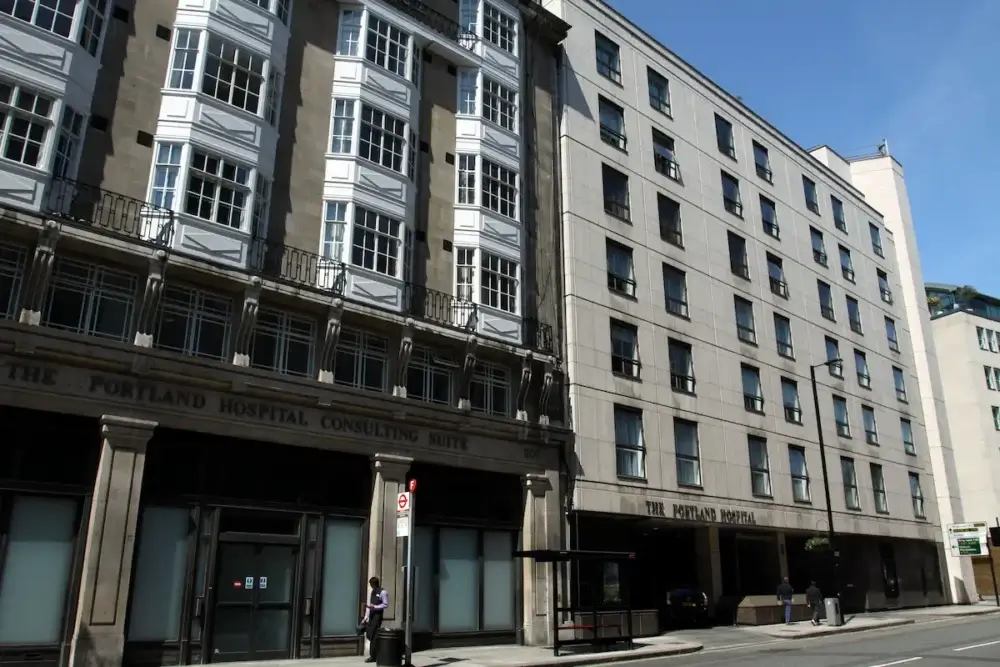
The Portland Hospital
212 Great Portland St, London, W1W 5QN
London Gynaecology at The Portland Hospital offers comprehensive private women’s healthcare, surgery, expert consultations, and specialist treatments...

Richmond
Ground Floor, 26 Paradise Rd, Richmond TW9 1SE
Welcome to London Gynaecology at Richmond. Our newest addition to our family of clinics.